How to Find Out Your Skin Type at Home: A Step-by-Step Guide
Choosing a cream or a serum without knowing your skin type is a bit like buying shoes without knowing your size: sometimes you get lucky, but usually something doesn't fit. The good news is that you don't need any devices or a visit to a beauty salon to get a first idea. With a gentle cleanser, a paper tissue and an hour of patience, you can watch how your skin behaves on its own.
Want the short version? Take the skin test: 6 questions, 1 minute, up to 3 routines to choose from.
The bare-face method and the tissue test
The idea is simple: leave your skin free of any product for a while and see what it does when nothing is helping or disturbing it.
Step 1: cleanse
Wash your face with a gentle cleanser and lukewarm water. Pat dry with a clean towel, without rubbing.
Step 2: wait 60 minutes
Apply nothing: no toner, no serum, no cream. Avoid touching your face and, if you can, stay in a normal environment, away from strong heating or direct air conditioning.
Step 3: observe
After an hour, look at your skin in natural light. Notice any shine, tightness or redness. Then gently press a thin paper tissue onto your forehead, nose, chin and cheeks, and check where it has picked up oil.
What your results mean
| Skin type | How it feels after 60 minutes | What the tissue shows |
|---|---|---|
| Normal or combination | Comfortable overall; some shine on forehead, nose and chin | Light marks on the T-zone only |
| Dry | Tight, dull, sometimes with fine flaking | Practically clean |
| Sensitive | Itching, stinging or redness appear easily | Varies: it can be dry or oily as well |
| Oily or acne-prone | Shine all over the face, visible pores | Marks from every area |
Normal or combination skin
This is the most common type. The cheeks feel comfortable and the T-zone produces a little more oil. It usually likes light textures and balanced hydration. Browse options in the normal and combination skin collection.
Dry skin
It produces little oil, so it struggles to hold on to moisture. You feel tightness soon after washing and makeup tends to cling to rough patches. Richer textures and low-foam cleansers suit it well. Find ideas in dry skin and hydration.
Sensitive skin
More than a type, it is a condition that can come with any of the others. It reacts easily to temperature changes, fragrance or new products. Less is more here: simple formulas and one change at a time. See the selection for sensitive skin.
Oily or acne-prone skin
Shine comes back quickly and pores are more visible, especially on the nose and cheeks. It still needs hydration, but in fluid or gel textures. You'll find products made for it in oily and acne-prone skin.
Dry skin and dehydrated skin are not the same
This is the most frequent mix-up. Dry skin is a type: it regularly lacks oil. Dehydrated skin is a temporary state: it lacks water, and it can happen to anyone, including oily skin.
A clue: if your skin is shiny but also feels tight and shows fine lines that come and go, it is probably oily or combination skin that is dehydrated. In that case you usually don't need a heavier cream, but rather more water from light textures, and a check on whether your cleansing is too harsh.
Common mistakes when doing the test
- Doing it right after exfoliating, masking or an intensive treatment.
- Using a very strong soap, which leaves any skin feeling tight and skews the result.
- Waiting only ten minutes: skin needs time to return to its usual state.
- Doing it after exercise, a very hot shower or a day of strong sun.
- Drawing conclusions from a single day. Repeat it two or three times in different weeks.
- Deciding your skin type from what it says on the last product you liked.
Your skin type can change
Skin is not a fixed label. In summer, with heat and humidity, more shine is normal; in winter, cold and heating often leave it drier and more reactive. Hormonal changes, stress, the climate where you live or a change of routine also play a part.
Over the years, skin tends to produce less oil and feel drier, and other concerns such as firmness or radiance may become more important. If that is your case, take a look at the anti-aging collection. That is why it is worth repeating the test with each change of season and adjusting textures rather than changing everything.
What a basic routine looks like, in order
Whatever your result, the structure is the same. What changes is the textures.
- Cleanse. Morning and night, with a product that doesn't leave skin tight.
- Tone. A toner or lotion prepares the skin for what comes next.
- Serum. The most targeted step: choose it according to what you want to work on.
- Cream. It hydrates and helps hold in the previous steps. Lighter if your skin is oily, richer if it is dry.
- SPF during the day. The last step in the morning, all year round.
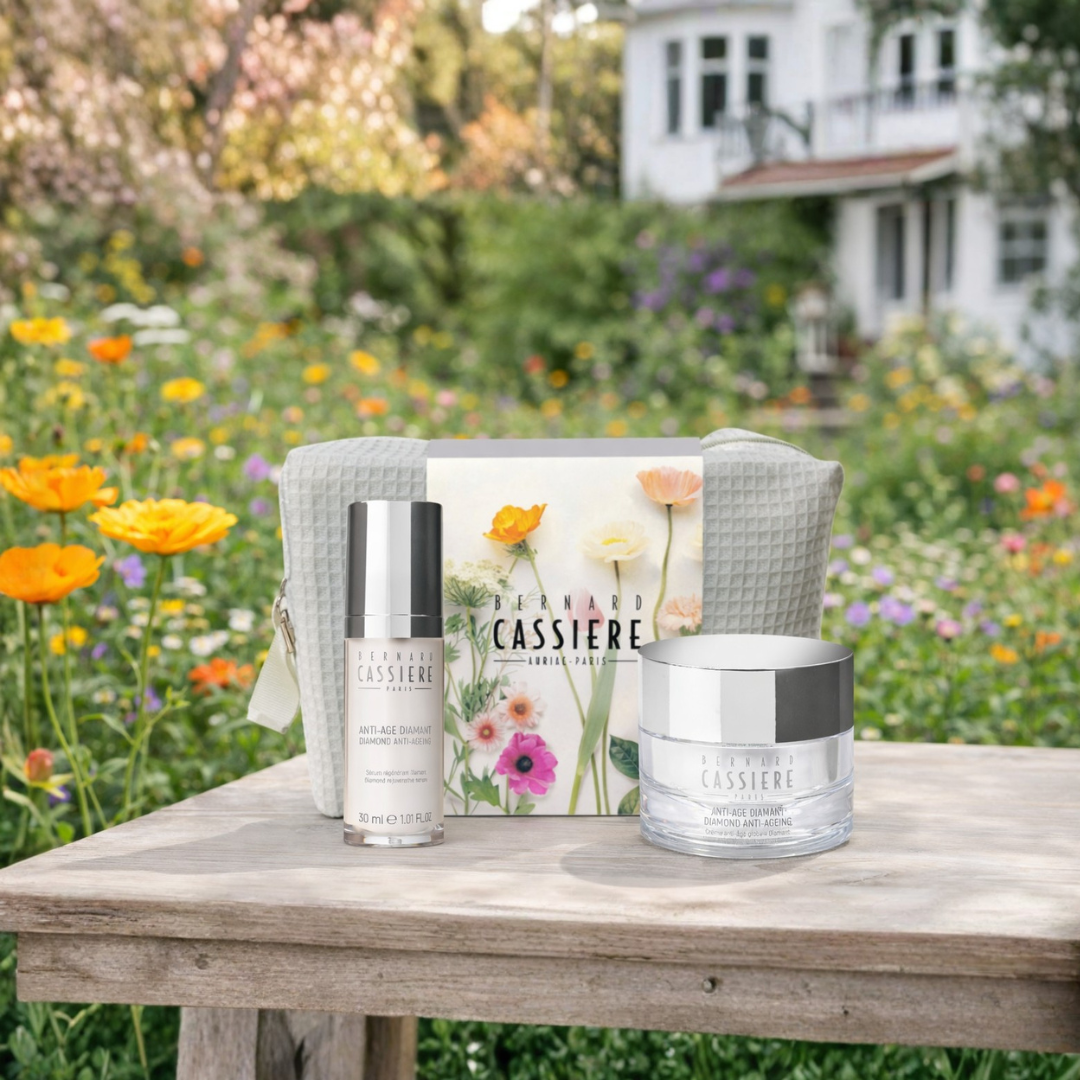
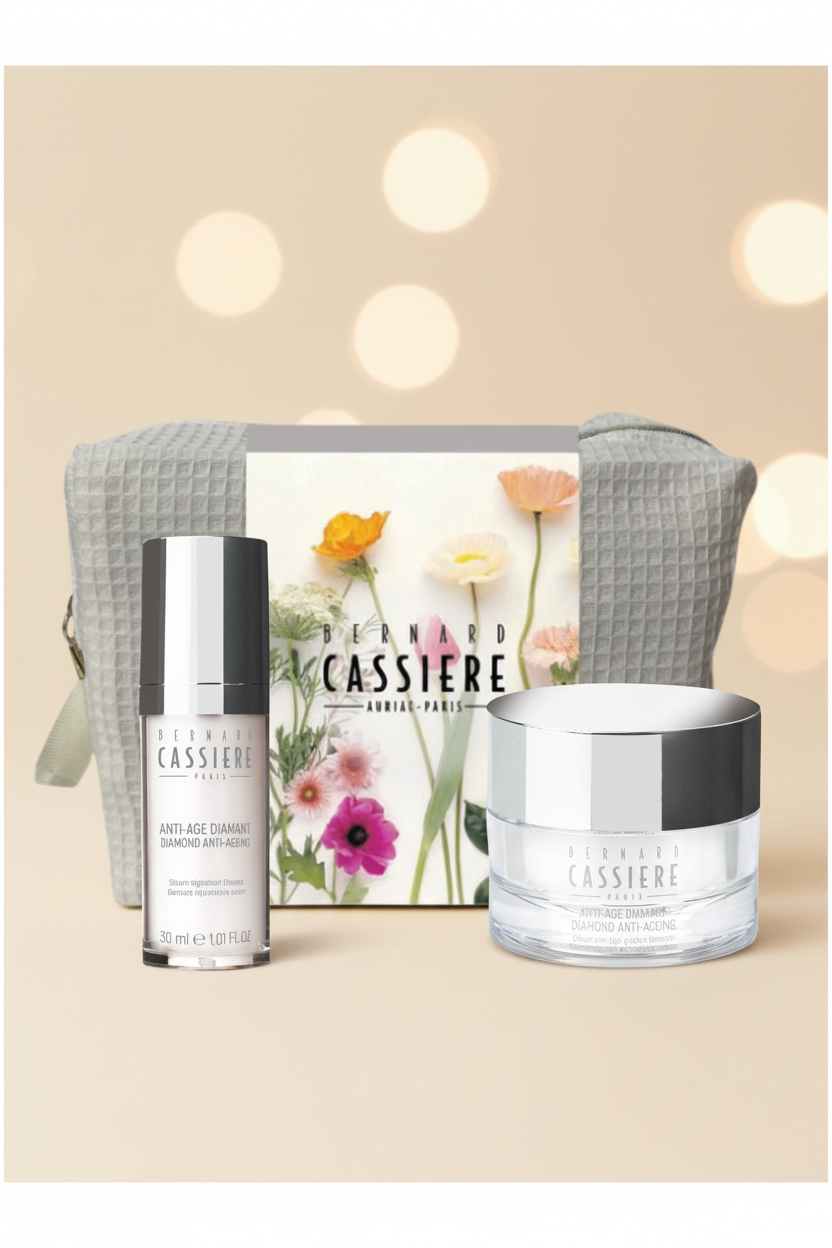
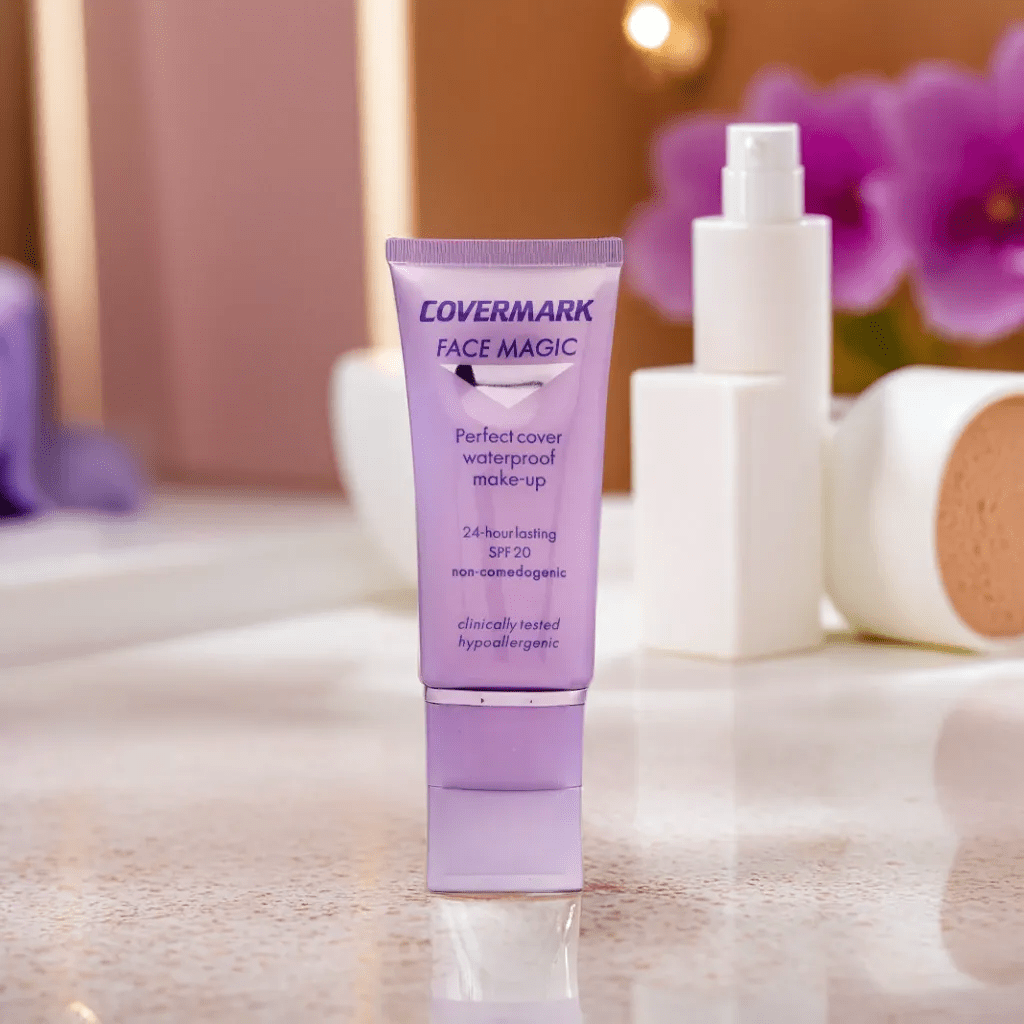
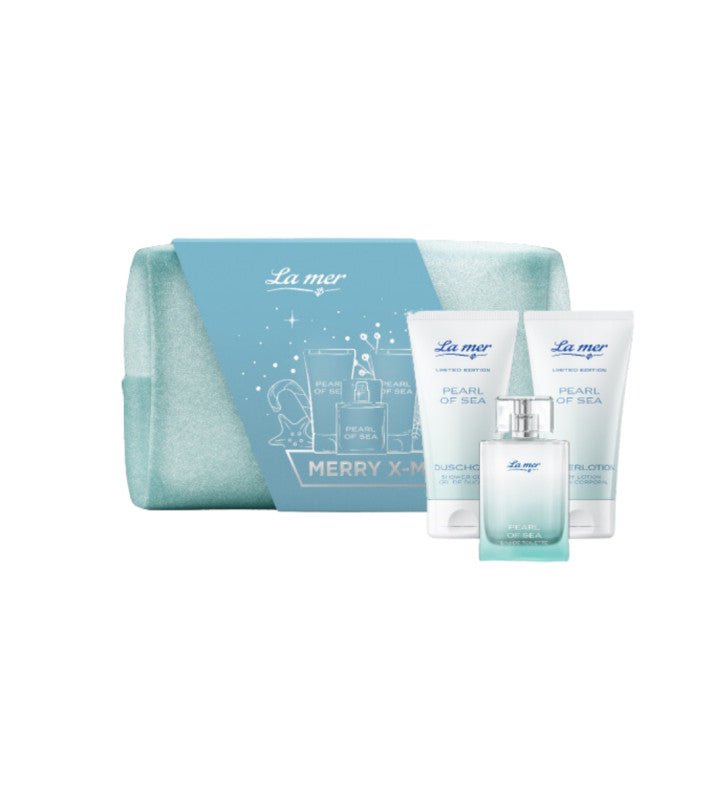
At night you repeat the same steps without the sunscreen. In the shop you'll find professional skincare brands such as Bernard Cassière, La Mer and Covermark, with lines for different skin types; what matters is introducing products gradually and giving each one a few weeks before judging how it suits you.
When to see a dermatologist
A home test is a guide, not a diagnosis. Book an appointment with a professional if you have persistent or painful acne, redness that doesn't go away, intense flaking, constant itching, spots or moles that change in appearance, or if your skin reacts to almost any product.
This article offers general information about cosmetic skincare and is not a substitute for advice from a healthcare professional.
Next step: find your routine
Now you know how your skin behaves. It's time to turn that into a concrete routine.
Take the skin test: 6 questions, 1 minute, up to 3 routines to choose from.