☀️ How to protect your skin from the sun: a complete guide to effective sun protection
Sun exposure provides benefits such as vitamin D production and improved mood, but it can also cause burns, premature skin aging, dark spots, and increase the risk of developing skin cancer if proper measures are not taken.
Effective sun protection does not depend solely on the use of an SPF sunscreen. To keep skin healthy year-round, it is necessary to combine different photoprotection habits.
Why is protecting your skin from the sun so important?
Ultraviolet (UV) rays damage skin cells even when visible burns do not appear. Repeated exposure accelerates the degradation of collagen and elastin, promotes the appearance of dark spots, and increases the risk of skin diseases.
Protecting your skin daily helps to:
- Prevent sunburns.
- Reduce premature aging.
- Avoid the appearance of dark spots.
- Maintain more uniform and healthy skin.
- Decrease the risk of skin cancer.
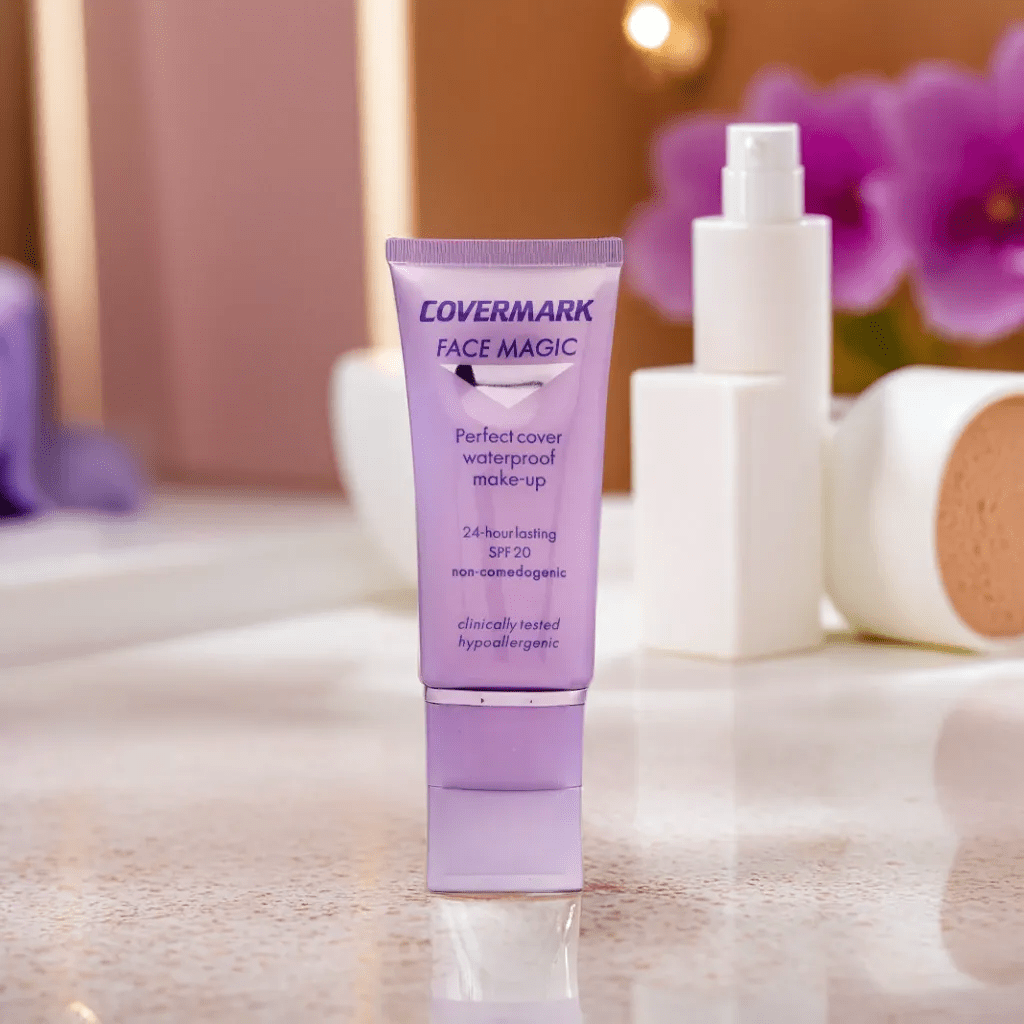
Tips for effective sun protection, try the Covermark High Sun Protection Pack for complete protection.
Use an appropriate sunscreen
Choose a broad-spectrum sunscreen with protection against UVA and UVB rays.
- SPF 30 for most people.
- SPF 50 or SPF 50+ for fair, sensitive, or spot-prone skin.
Apply the product 20 to 30 minutes before sun exposure and cover all exposed areas.
Reapply sunscreen
No sunscreen offers permanent protection.
It is recommended to reapply it:
- Every two hours.
- After swimming.
- After intense sweating.
- After drying off with a towel.
Avoid hours of peak radiation
Solar intensity is greatest between 10:00 AM and 4:00 PM.
Whenever possible, seek shade during these hours and limit direct sun exposure.
Complement protection with accessories
Sunscreen should be accompanied by other protective measures:
- Wide-brimmed hats.
- Sunglasses with UV filters.
- Light clothing with sun protection, especially during prolonged exposure.
Check the UV index
The UV index indicates the intensity of ultraviolet radiation.
When the index is 3 or higher, it is recommended to use sun protection even on cloudy days, as UV rays partially penetrate clouds.
Types of sun filters
Currently, there are two major categories of filters used in sunscreens.
Mineral or physical filters
They contain ingredients such as:
- Zinc oxide.
- Titanium dioxide.
These filters remain on the skin's surface, forming a barrier that reflects part of the ultraviolet radiation. They are especially recommended for sensitive skin and children.
Chemical filters
They include ingredients such as:
- Avobenzone.
- Octinoxate.
- Octocrylene.
They absorb UV radiation and transform it into a small amount of heat before it can damage the skin. They usually offer lighter textures and an invisible finish.
Which sunscreen to choose?
The best option will depend on your skin type and needs.
- Oily skin: oil-free or gel formulas.
- Dry skin: moisturizing creams with SPF.
- Sensitive skin: sunscreens with mineral filters and no fragrance.
- Sports or beach use: water-resistant formulas.
Conclusion
Sun protection is one of the most important steps for maintaining healthy skin in the long term. Using an appropriate sunscreen, reapplying it correctly, and complementing protection with clothing, sunglasses, and shade helps prevent premature aging and protects the skin against the harmful effects of ultraviolet radiation.
Remember that taking care of your skin today is the best investment to keep it healthy for many years.